

Intrigued travellers usually ask for the Best Time to Visit Tanzania, as if there’s one clear answer. There isn’t. Tanzania doesn’t work like that. The country changes constantly, sometimes quietly, sometimes overnight, and what you experience depends as much on timing as it does on patience.
Our team has seen the Serengeti look tired and dusty in September, animals packed tightly around drying rivers. They also saw the same plain in February, green and soft, dotted with newborn wildebeest that can barely stand. Both moments were unforgettable, just in very different ways. Understanding Tanzania’s seasons doesn’t mean chasing a wonderful safari; it means choosing the kind of experience you want.
Tanzania Through the Year: Dry Season vs Green Season
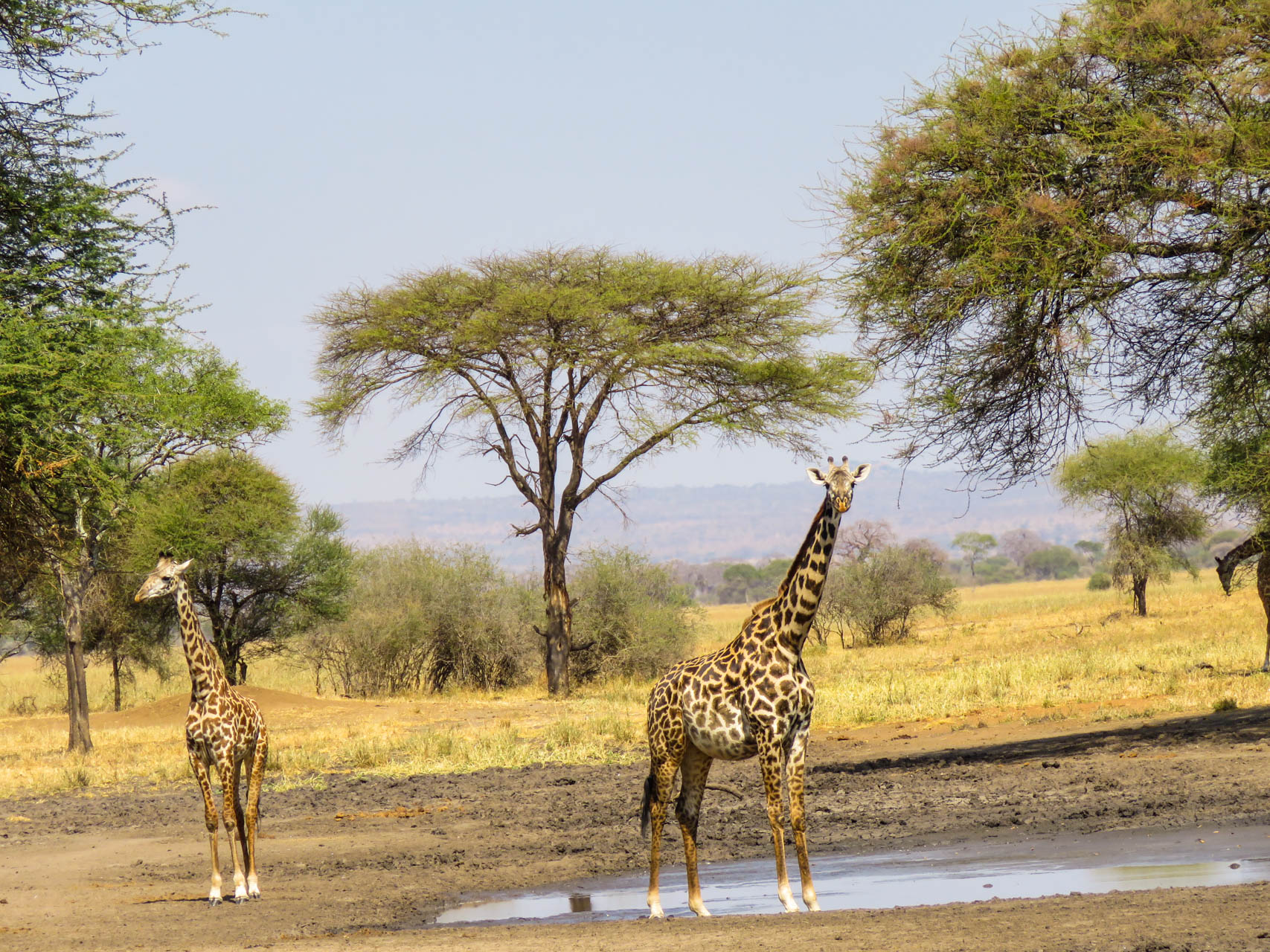
Tanzania follows two main travel seasons, shaped by rainfall patterns tracked by the Tanzania Meteorological Authority. These seasons affect wildlife movement, road conditions, prices, and even how busy the park feels.
The Dry Season, from June to October, is what most people imagine when they picture a Tanzania Safari. The grass is short, water is scarce, and animals are easier to find. Days are clear, nights are cool, and the game drive is straightforward.
The Green Season, from November to May, is not understandable. Yes, it rains, but not all day, and not everywhere. What the rain brings is color, space, and life. Migratory birds arrive. Predator spread out. The parks breathe again. No season is better. They simply tell different stories.
Safari Highlights by Month
Below is a breakdown of different Tanzania Safari seasons and their highlights.
January to March: Calving Season in the Serengeti
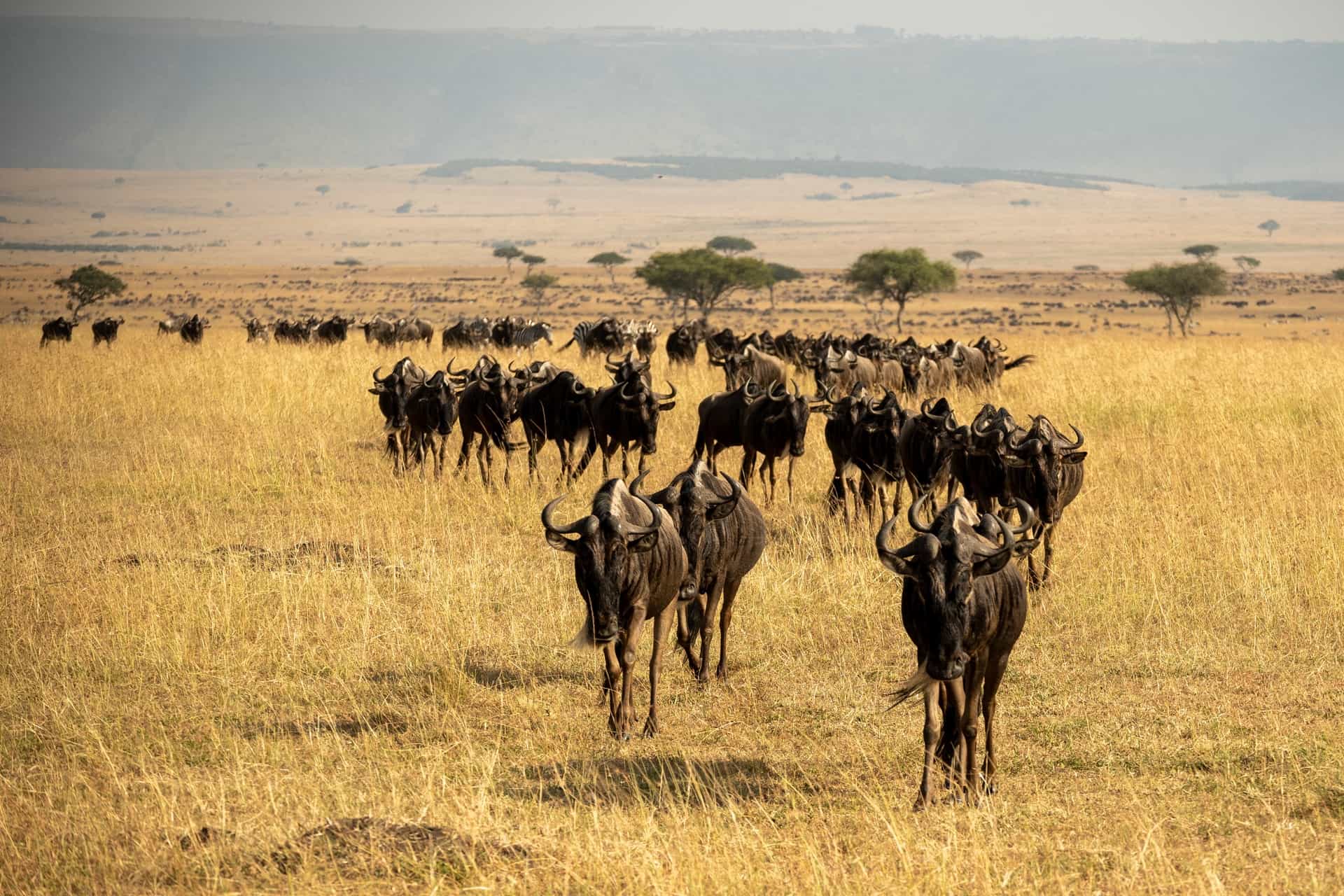
This is one of the most amazing wildlife periods of the year. In the southern Serengeti and Ndutu area, the Great Migration calves. Thousands of wildebeest give birth within weeks. Predators don’t go far.
It is not messy or gentle. It is real. You will see life begin and end on the same day. For many seasoned safari travelers, this is the most honest version of Tanzania.
April to May: The Quiet Months
Long rain arrives, and crowds disappear. Some lodges close, but many Tanzania Safari Parks remain open, including Ngorongoro Crater. The landscape turns deep green, the sky becomes dramatic, and the sighting feels more personal.
This is not a season for rushing. It’s a season for travelers who value atmosphere over a checklist.
June to July: Safari Season Builds
The rain fades, roads improve, and wildlife becomes easier to track. The Serengeti Migration begins its move north. These months are excellent for first-time visitors who want wonderful wildlife viewing without peak-season pressure.
August to October: River Crossing Drama
This is when the northern Serengeti takes center stage. Wildebeest face the rivers. Some cross quickly. Some hesitate for days. Crocodiles wait. Nothing about it is guaranteed, which is exactly what makes it powerful.
This period is ideal for a 6-Day Migration Safari in Tanzania, a 7-Day Migration Safari in Tanzania, or an 8-Day Migration Safari in Tanzania, especially for visitors who want wonderful moments.
November to December: A Fresh Reset
Short rains return, but travel remains smooth. The land is clear, prices soften, and Tanzania feels less crowded again. Wildlife doesn’t vanish it simply spreads out. For many, this is the most suitable time to visit.
According to TANAPA and wildlife research shared by National Geographic and WWF, Tanzania is one of the few destinations where meaningful wildlife experiences are possible year-round.
Beyond the Safari: Tanzania Isn’t Just Game Drives
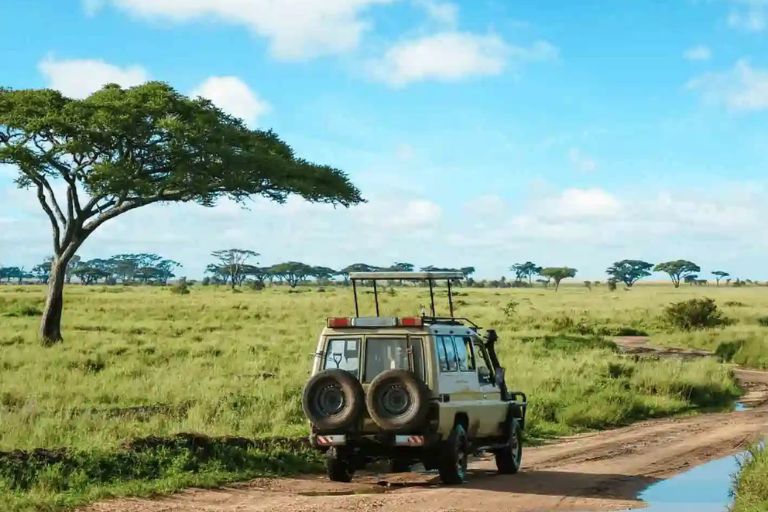
A safari may bring you here, but it’s rarely what stays with you the longest.
Kilimanjaro Trekking Season
The most reliable Kilimanjaro Trekking Seasons are January to March and June to October. These months offer clearer weather and safer condition, but the mountain always sets the rules. No season guarantees an easy climb.
Zanzibar Best Time to Visit
For the coast, the Best Time to Visit Zanzibar align with the dry months. Calm sea, warm water, and unrushed days make it the perfect contrast after time in the bush.
Culture and Everyday Life
Traveling outside peak months often opens doors. Markets feel less hurried. Conversations last longer. These quieter moments, often overlooked, are what many travelers remember most.
Travel Planning Essentials for 2026
Beyond choosing the right season, good planning helps you enjoy Tanzania without distractions once you’re on the ground.
- Packing Smart
Mornings can be cold, even in the dry season. Bring layers, neutral clothing, and shoes you can walk in for hours. Fancy gear matters less than comfort. - Health and Preparation
Prepare properly before arrival. Stay hydrated. Rest when needed. A safari is not a race. - Choosing Your Safari Style
Private safaris offer flexibility. Group safaris bring shared energy and value.
Matching your expectations to the season makes all the difference.
CONCLUSION: EVERY MONTH TELLS A DIFFERENT STORY
There is more than one Best Time to Visit Tanzania. Only with a different version of it. Some months are loud and dramatic, filled with dust and movement. Others are green, quiet, and deeply reflective.
When you understand Tanzania Travel Seasons, you don’t just plan a trip, you choose the story you want to be part of.
Start planning your perfect Tanzania adventure with Bestday Safaris today.