


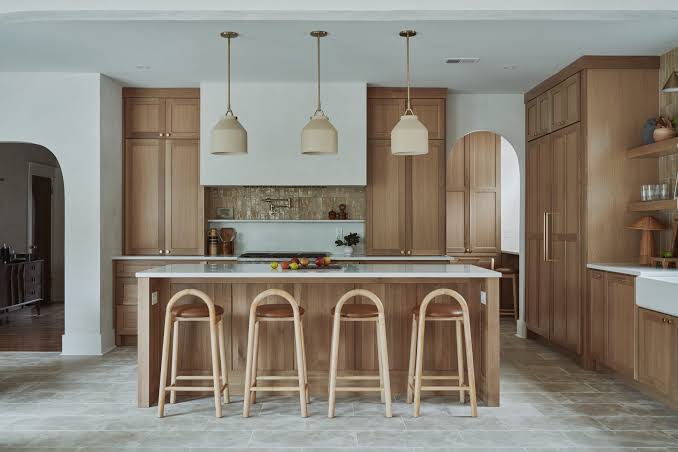
Picture this: you’ve just moved into a kitchen that looked stunning in the showroom. Sleek doors, a gorgeous island, lighting that made everything glow. Then you unpacked your first box of groceries and realized there was nowhere sensible to put the pressure cooker. Sound familiar?
Beautiful kitchens are easy to fall for. Functional ones take planning. And the secret to a kitchen that actually works day after day comes down to one thing most people think about last: storage. Let’s flip that around and put it first.
Why Storage Should Lead Your Planning, Not Follow It
Most of us start with looks. We pick a color, a finish, maybe a countertop we saw on a home renovation show. Storage becomes an afterthought, squeezed into whatever space is left over.
That’s backward. When you plan storage first, everything else falls into place more naturally. You know where your everyday plates live, where the spices sit, and where that awkward stand mixer disappears when it’s not in use.
Start by taking honest stock of what you own. Walk through your current kitchen and note what you use daily, weekly, and rarely. Group items by how often you reach for them. This simple exercise tells you exactly how much storage you need and, just as importantly, what kind.
What to Actually Look for in Kitchen Cabinets
Not all storage is created equal. A cabinet can look identical on the outside and behave completely differently once you open it. Here’s what separates the workhorses from the pretty faces.
- Smart internal organization. Deep drawers with dividers beat fixed shelves for pots, pans, and utensils. You can see everything at a glance and reach the back without kneeling on the floor.
- Corner solutions. Corners are where storage goes to die. Look for carousel units or pull-out mechanisms that turn dead space into usable room.
- Vertical thinking. Tall pull-out pantry units make incredible use of narrow gaps. They hold a surprising amount and keep dry goods visible and within reach.
- Quality hinges and runners. This is the unglamorous part that matters most. Soft-close hardware and sturdy runners are what keep your kitchen cabinets feeling solid five years down the line, not just on day one.
When you’re comparing options, open every drawer. Give it a proper tug. Cheap mechanisms reveal themselves fast, and they’re the first thing to fail with heavy daily use.
How Modern Kitchen Design Shapes Your Cabinet Choices
Here’s where function and form finally meet. Good modern kitchen design isn’t about minimalism for its own sake. It’s about making every surface and every cubic inch pull its weight while still looking clean and calm.
Think about the classic work triangle between your sink, stove, and fridge. Your cabinets should support that flow. Store prep tools near the counter where you chop. Keep pots close to the stove. Place plates and glasses near the dishwasher or sink so unloading takes seconds.
Handleless fronts, integrated appliances, and full-height units are hallmarks of contemporary layouts, and they do more than look sharp. Flat fronts wipe clean in one swipe. Integrated bins hide the mess. Ceiling-height cabinets grab storage that would otherwise vanish into empty wall space above.
The best modern kitchen design also considers light and openness. Lighter finishes and reflective surfaces make compact kitchens feel larger, while thoughtful lighting inside cabinets means you actually find what you’re looking for after dark.
Decoding Modular: What Per-Sq-Ft Pricing Really Includes
Now for the part everyone quietly worries about: cost. When you get a quote, you’ll often see it framed as a modular kitchen price per sq ft. It sounds straightforward, but that single number hides a lot.
So what does it usually cover? Typically, the base carcass, the shutters or door fronts, standard hardware, and basic installation. That’s the skeleton. It’s a useful starting point for comparing suppliers on a like-for-like basis.
What it often doesn’t cover is where budgets quietly balloon. Premium finishes, soft-close mechanisms on every drawer, specialized corner units, built-in organizers, countertops, backsplashes, and appliances frequently sit outside that headline figure. Two quotes with an identical modular kitchen price per sq ft can deliver wildly different kitchens once you look at what’s actually bundled in.
The lesson? Never compare price alone. Compare specifications. Ask exactly what’s included, what counts as an upgrade, and what the hardware warranty looks like.
Value vs. Cost: Where Your Money Works Hardest
There’s a difference between spending less and spending well. A rock-bottom quote that skimps on runners and hinges will cost you more in repairs and frustration than a slightly higher one that lasts.
Here’s a practical way to think about it. Spend generously on the things you touch every day and the parts that wear out: drawer mechanisms, hinges, and the storage solutions that save you time. Save on the things that don’t affect daily life, like decorative flourishes you could add later.
Consider a young couple furnishing their first home. They stretched their budget for solid kitchen cabinets with proper pull-outs and soft-close drawers, then chose a simpler finish to stay on budget. Three years on, everything still glides shut silently. Their neighbor went the opposite route, all show and no substance, and is already replacing sagging shelves. Same starting budget, very different outcomes.
A Simple Planning Checklist Before You Commit
Before you sign anything, run through these quick questions:
- Have you mapped what you own to specific storage zones?
- Do your everyday items live within easy reach of where you use them?
- Have you accounted for corner and vertical storage, not just standard cabinets?
- Do you know precisely what your quote includes and excludes?
- Have you tested the hardware quality with your own hands?
If you can answer yes to all five, you’re in a strong position. You’ve planned a kitchen around how you actually live, not just how it photographs.
Conclusion
A great kitchen isn’t the one with the flashiest finish. It’s the one that makes your life easier every single morning, evening, and hurried weeknight dinner. Put storage first, choose kitchen cabinets built to last, let smart layout guide your decisions, and read every quote carefully before you commit.
Do that, and your cabinets won’t just fill a wall. They’ll genuinely earn their keep.